5 Business Lessons I Learnt the Hard Way This Year
As my second year in business wraps up, I’ve had a front-row seat to growth — both my own and my clients’.
Some lessons were empowering. Others… expensive.
And a few? Completely avoidable if only I’d known.
That’s the theme of this year:
You don’t know what you don’t know.
Whether it was chasing late payments, uncovering compliance gaps, or realising that “done-for-now” policies weren’t quite done right — this year taught me just how much can hide beneath the surface.
In this post, I’m sharing five real-world lessons I learnt the hard way — so you don’t have to.
Time Costs More Than Money
One of the biggest wake-up calls this year came in the form of an unpaid invoice.

I knew the legal process. I’d done the reading. I thought I was prepared.
But what caught me off guard wasn’t the money I was owed — it was the time I lost chasing it.
The admin. The emails. The distraction from work that actually paid.
That's the real cost so many small business owners underestimate.
Luckily, I had some key protections in place:
A signed agreement with clear payment terms
A documented trail of communication
Terms that outlined exactly what would happen if payment was delayed
All of that meant I wasn’t scrambling. I was ready.
And with one phone call to a trusted debt recovery contact in my network, the situation was resolved.
Being “protected” isn’t about knowing what you could do — it’s about not losing time doing it.
Good systems don’t just save money.
They protect your time, your energy, and your ability to focus on what matters.
Don’t Assume You’re Compliant — Check
If I had £1 for every time someone said “we’ve got compliance covered” this year…
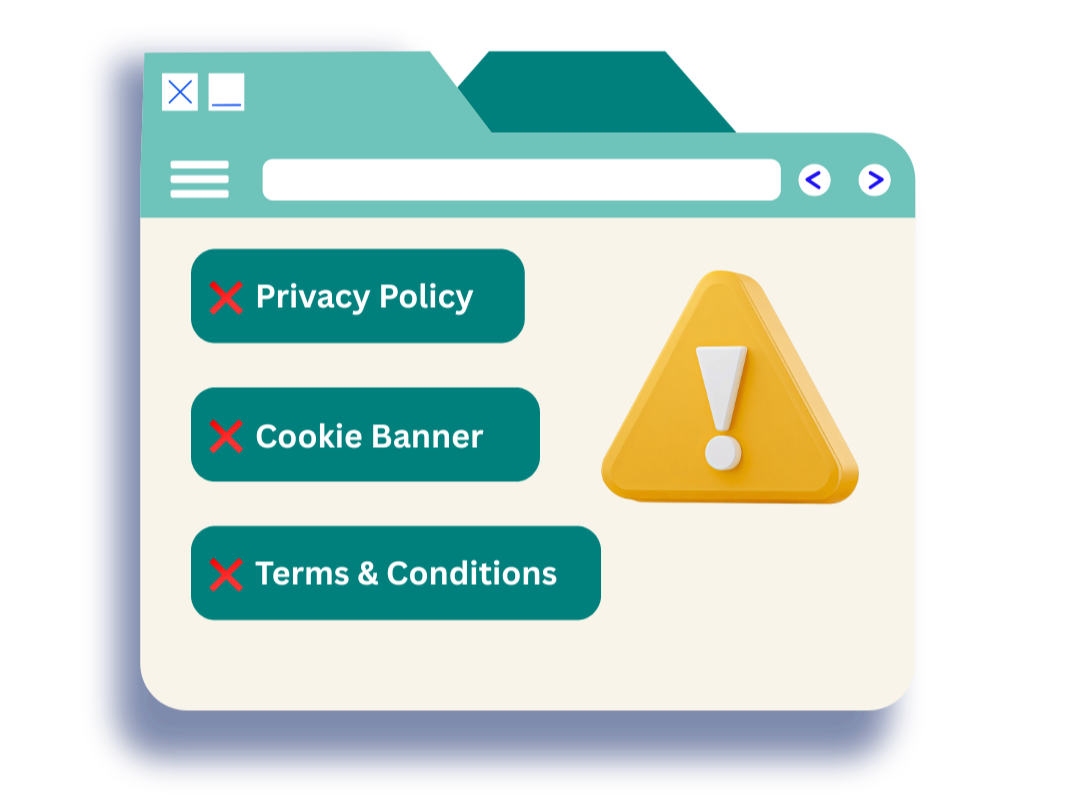
The truth? A lot of businesses genuinely believe they’re on top of things — but a quick look at their website tells a different story.
It’s not always about obscure regulations or legal deep dives.
Often, it’s simple things: the right wording in your privacy notice, a cookie banner that actually works, or terms that reflect your real service.
If the outside isn’t compliant, what’s happening behind the scenes?
You don’t need perfection.
But you do need to know where the gaps are — and how to fix them before someone else notices first.
Contracts, IP and Data Deserve More Attention
This was one of the most consistent gaps I saw this year — and one of the easiest to overlook.
It’s not just that some businesses are missing contracts entirely (though that happens more often than you’d think).
It’s that even when contracts are in place, they often don’t go far enough to truly protect the business.
It’s not just about getting paid — it’s about defining the rules.
Here’s where businesses often fall short:
Intellectual property: Who owns what, especially with creative or digital work?
Data security: How is client or customer data stored, handled, and protected?
Legal clarity: What happens if something goes wrong? Who’s liable? What’s the process?
Too many contracts are pieced together from online templates or borrowed from businesses with completely different needs.
And when something goes wrong, that vague clause or missing detail becomes a real problem.
Good contracts and clear policies don’t just cover you — they give you the confidence to grow.
They prevent confusion, protect your brand, and save hours of stress if anything ever does go off track.
Good Systems Lead to Real Results
It hasn’t all been challenges and cautionary tales.
This year, I’ve also seen what happens when systems are set up well — and it’s one of the most rewarding parts of the work I do.
I’ve seen clients:
Turn disorganised documentation into clear, audit-ready systems
Win awards and recognition in their industries
Approach growth with confidence, knowing their back-end processes won’t fall apart
These outcomes didn’t come from doing more — they came from doing things better.
Solid systems don’t just “tick boxes.” They unlock momentum.

When the day-to-day admin is under control, businesses are free to focus on the work that matters most — whether that’s scaling, innovating, or simply breathing a bit easier.
You Don’t Have to Know Everything
One of the biggest mindset shifts I’ve had this year — and one I’ve seen in my clients — is this:
You don’t need to know everything.
But you do need to know when to bring in someone who does.
There’s a lot of pressure on small business owners to wear all the hats.
But trying to do it all — especially in areas like compliance, documentation, or systems — often ends up costing more than it saves.
Delegating isn’t a weakness. It’s a smart investment.
The best outcomes I’ve seen this year happened when people asked for help early — not once things had already gone sideways.
That shift from “doing it all myself” to “getting the right support” is what made the biggest difference for me — and for the businesses I work with.
Year two in business wasn’t just about learning new skills — it was about unlearning assumptions.
I thought I had certain things handled.
I thought I could spot risks early.
I thought some gaps wouldn’t matter — until they did.
And that’s the reality for most small businesses:
You don’t know what you don’t know.
But you don’t need to figure it all out on your own.
The right documents, the right systems, and the right support don’t just prevent problems — they give you breathing space.
Room to grow.
Room to think ahead instead of always firefighting.
Here’s to year three — with a bit more clarity, a bit less chaos, and everything I’ve learnt so far coming with me.